Trading

How Fundamental Analysis Supports Smarter Trading

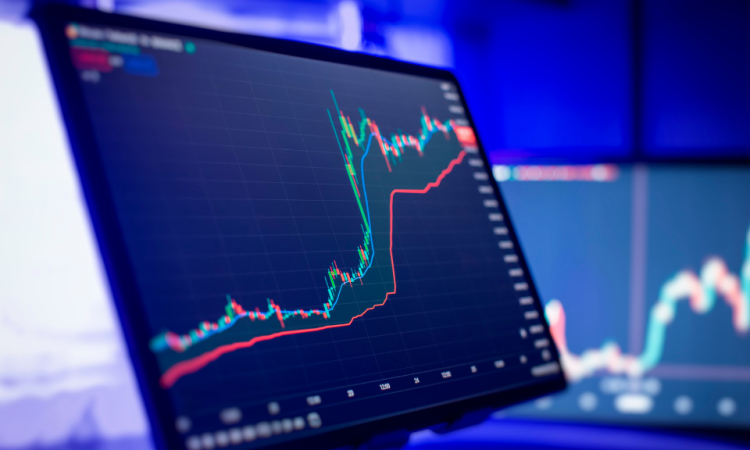
Financial markets operate on a continuous flow of price ticks, chart patterns, and breaking headlines. In active trading environments, many market participants focus exclusively on technical indicators, looking for moving average crossovers, chart breakouts, and momentum shifts. While technical analysis helps identify short-term timing and potential price reaction levels, relying...

Savings

Building Better Saving Habits for Long-Term Goals

Developing strong financial habits is rarely about sudden windfalls or dramatic, overnight lifestyle overhauls. Instead, genuine financial security is the cumulative result of daily, repeatable decisions that align present behavior with future aspirations. Whether the objective is purchasing a primary residence, funding a comfortable retirement, securing higher education for children,...
Savings

How Automated Savings Can Strengthen Your Finances

Building long-term wealth often feels like an ongoing battle between logical planning and daily impulses. Even with the best budgeting apps, spreadsheets, and financial goals, human psychology regularly gets in the way of consistent saving. At the end of a busy month, discretionary purchases, unexpected dinners out, and minor conveniences...
Trading

How to Evaluate a Trading Strategy Before Using It

Entering financial markets with real capital without thoroughly evaluating your trading methodology is one of the quickest paths to catastrophic account drawdowns. Many traders encounter an attractive technical indicator combination, test it on a handful of historical charts, experience a brief string of winning outcomes, and immediately deploy significant capital....
Investment

How Inflation Can Impact Your Investment Returns

When evaluating investment success, most people look directly at their nominal returns. If a brokerage account shows an eight percent gain over the past twelve months, the immediate instinct is to celebrate a solid year of growth. However, nominal figures tell only half the story. The true benchmark of investment...
Investment

How Bonds Can Add Stability to Investment Portfolios

Building long-term wealth through investing requires balancing the desire for capital growth with the necessity of capital preservation. While equities historically deliver the returns needed to outpace inflation and build substantial wealth, they introduce significant price volatility. Sharp market drawdowns, sudden economic recessions, and extended bear markets can erode account...
Forex

Forex Trading Indicators: Understanding the Basics

The foreign exchange market is the largest and most liquid financial market in the world, with trillions of dollars changing hands every day. Currency prices fluctuate continuously in response to macroeconomic data, central bank interest rate decisions, geopolitical developments, and broad market sentiment. For individual traders navigating this fast-paced environment,...
Finance

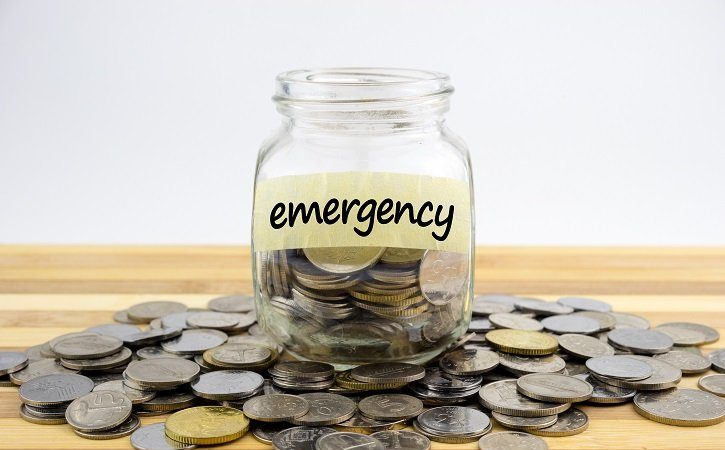
Building a Financial Safety Net Beyond Emergency Savings

For decades, conventional personal finance advice has centered on a single core rule: build an emergency fund containing three to six months worth of living expenses. While maintaining liquid cash in a high-yield savings account remains a vital first step, modern economic realities demonstrate that cash reserves alone are rarely...
Commodity

Essential Commodity Market Indicators Every Trader Should Know

Commodity trading stands apart from equities and foreign exchange markets because raw materials are driven by tangible physical realities. While stock prices can decouple from underlying operational performance based on investor sentiment, commodities are anchored by weather systems, geopolitical conflicts, industrial demand cycles, and raw extraction costs. Navigating this complex...
Commodity

How Currency Movements Affect Commodity Prices

The relationship between foreign exchange markets and global commodities represents one of the most fundamental mechanisms in international finance. Raw materials—ranging from crude oil and natural gas to copper, wheat, and precious metals—serve as the building blocks of modern industrial society. However, these tangible physical goods do not trade in...
1 2 3 8
Page 1 of 8