What is a Commodity
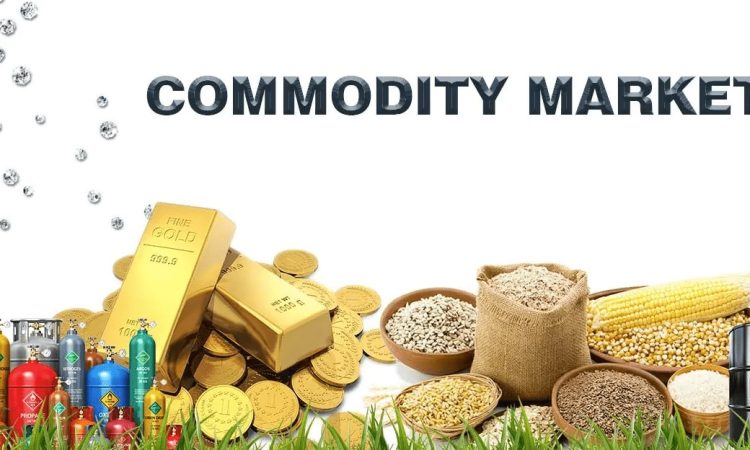
A commodity is a raw material or primary agricultural product that can be bought and sold in standardized units. Commodities form the backbone of global trade and economic development. They range from agricultural products like wheat, rice, and coffee to energy resources such as crude oil and natural gas, as well as metals like gold, silver, and copper. Unlike branded goods, commodities are interchangeable, meaning one barrel of crude oil or one ounce of gold is identical in quality and utility to another of the same grade.
Categories of Commodities
To fully understand the commodity market, it’s important to explore its broad categories and their unique characteristics.
Agricultural Commodities
Agricultural products are some of the oldest traded goods. They include grains, coffee, cocoa, cotton, and livestock. Prices in this category are often influenced by weather conditions, global demand, and technological advancements in farming.
Energy Commodities
Energy is one of the most actively traded commodity classes. Oil, natural gas, coal, and renewable energy credits fall under this category. Geopolitical tensions, production quotas, and technological innovations in extraction methods directly impact their prices.
Metal Commodities
Metals are divided into precious and industrial categories. Precious metals like gold and silver are used both as investment assets and jewelry. Industrial metals such as copper, aluminum, and nickel are vital in construction, manufacturing, and technology sectors.
Environmental and Emerging Commodities
Modern markets also recognize environmental commodities, such as carbon credits, which are tradable permits to emit a specific amount of carbon dioxide. These play a growing role in sustainability-focused global trade.
How Commodity Markets Function
The commodity market operates differently from typical goods markets. Trading primarily happens on commodity exchanges where standardized contracts are bought and sold.
Spot vs Futures Markets
- Spot Market: Transactions occur for immediate delivery. Buyers pay current market prices, and goods are delivered within a short timeframe.
- Futures Market: Contracts are agreements to buy or sell commodities at a predetermined price and future date. Futures allow traders and companies to hedge against price volatility.
Standardization of Contracts
Exchanges enforce strict rules on contract sizes, quality grades, and delivery terms. This ensures transparency and reduces disputes in trading.
Price Discovery
Commodity exchanges facilitate price discovery by bringing together buyers and sellers worldwide. Prices reflect a balance of supply, demand, production costs, and market sentiment.
Economic Significance of Commodities
Commodities influence nearly every aspect of the global economy. Their importance extends beyond the markets themselves.
Drivers of Inflation
Rising commodity prices often drive inflation. For example, when crude oil prices increase, transportation and manufacturing costs surge, leading to higher consumer prices.
Global Trade Stability
Countries that export commodities like oil or wheat heavily rely on them for economic stability. Any price shock can directly affect national revenue, currency values, and employment.
Investment Diversification
Investors include commodities in their portfolios to hedge against inflation and reduce risk. Commodities often move differently than stocks and bonds, offering valuable diversification.
Factors Affecting Commodity Prices
Commodities are highly sensitive to a variety of global and local factors.
- Supply and Demand: Crop yields, mining output, and industrial demand set baseline prices.
- Geopolitical Risks: Wars, sanctions, and political instability affect supply chains.
- Natural Disasters: Floods, droughts, and hurricanes disrupt agricultural production.
- Technological Advancements: Innovations in extraction or farming methods alter cost structures.
- Currency Movements: Since most commodities are priced in US dollars, fluctuations in exchange rates influence global buyers.
Commodities as Investment Instruments
Beyond physical trade, commodities are powerful financial instruments for investors.
Direct Investment
Investors can buy physical commodities like gold bars or agricultural produce, though this involves storage and insurance costs.
Commodity Futures
Futures contracts allow speculation on price movements without taking possession of the commodity. Traders profit from both rising and falling markets.
Commodity ETFs and Mutual Funds
Exchange-traded funds (ETFs) and mutual funds provide exposure to commodity markets without requiring specialized knowledge of futures trading.
Commodity Stocks
Investing in companies involved in mining, oil production, or agriculture indirectly exposes investors to commodity market movements.
Commodity Trading Strategies
Traders use different approaches depending on risk appetite and goals.
Hedging
Businesses that rely on raw materials often hedge against price fluctuations. For instance, airlines hedge fuel prices to maintain stable operating costs.
Speculation
Speculators aim to profit from short-term price movements. While this approach can be lucrative, it carries significant risks.
Arbitrage
Arbitrageurs exploit price differences across markets or contract months, earning profits with relatively low risk if executed efficiently.
Technology in Commodity Markets
Technology has revolutionized commodity trading and market transparency.
- Algorithmic Trading: Automated systems execute trades in milliseconds, optimizing efficiency.
- Blockchain: Ensures secure, tamper-proof records of commodity transactions.
- Data Analytics: Predictive analytics models forecast supply-demand dynamics, improving decision-making.
Sustainability and the Future of Commodities
Sustainability is reshaping how commodities are produced and traded. Growing environmental concerns have led to shifts in energy consumption from fossil fuels to renewable sources. Similarly, ethical sourcing and fair-trade practices in agricultural commodities are becoming market expectations.
Governments and international bodies are implementing stricter carbon regulations. As a result, carbon credits and renewable energy certificates are gaining significance in global commodity exchanges.
The Human Side of Commodities
Behind every commodity is human labor and resource management. Farmers cultivating crops, miners extracting metals, and energy workers managing pipelines form the backbone of the industry. Their livelihoods depend heavily on fair pricing, government policies, and international trade practices.
FAQs About Commodities
Why are commodities important for global economies?
Commodities are essential because they provide raw materials for production, influence trade balances, and impact inflation rates worldwide.
Can individuals invest in commodities without large capital?
Yes, through commodity ETFs, mutual funds, and futures contracts, individual investors can participate without directly buying physical goods.
What is the difference between a commodity and a product?
A commodity is a raw material with standardized quality, while a product is a finished good that may differ by brand or features.
How do geopolitical tensions impact commodity markets?
Events like wars or sanctions can restrict supply, causing price spikes in energy, metals, and agricultural goods.
Are commodities a safe investment during inflation?
Commodities like gold and oil historically perform well during inflationary periods, acting as hedges against declining currency value.
What role will renewable energy play in future commodity markets?
Renewables are poised to transform commodity trading by reducing dependence on fossil fuels and increasing the trade of carbon credits and green energy certificates.